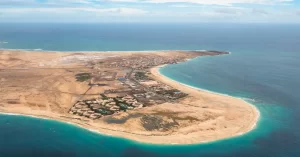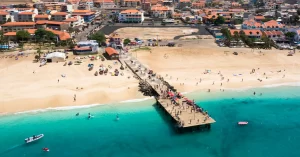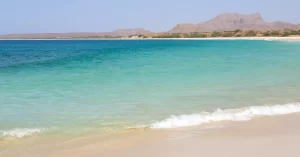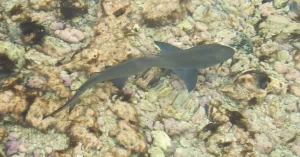

Cape Verde is home to the third-largest population of nesting loggerhead turtles globally, making it the perfect place to watch turtles. These turtles nest on the islands of Boa Vista, Maio, Santiago, and Sal between July and October.
The Activity
In the course of this turtle activity, female turtles visit the beach about three to five times during nesting season at intervals of between 10 and 15 days. These female turtles have to navigate hundreds of kilometers to return to their natal beaches and lay eggs.
They will start building their nest and laying their eggs, which will hatch after approximately 55 days. The eggs usually hatch at night when it is cooler, August to December.
As soon as the eggs hatch, the babies leave for the sea, except for those who do not survive due to external factors like light pollution, that misleads turtles and predators like stray dogs, crabs, and birds that eat turtle eggs. Even though Cape Verde has a very high hatching success rate, there are also times when some eggs do not hatch and make it back to the ocean.
Turtle Conservation and Protection
Project Biodiversity helps in protecting beaches on Sal Island where turtles nest. The Cape Verdeans take the conservation and protection of these turtles very seriously because they are endangered. There are several conservation projects set up to protect these animals.
In 2017, Cape Verde made it illegal to kill turtles. The sad truth: Despite being protected, the turtles in the archipelago are still harvested in large numbers for human consumption. In an attempt to give back to nature, No Limits Adventure, which offers turtle watching activities, supports projects like Project Biodiversity through profit donation and commission-free symbolic adoptions, with 100% of the donations going directly to Turtle Conservation. The profits from these projects will serve as resources to improve the protection of Cape Verde’s loggerhead turtles.
What to Expect
Expert guides will patrol the sandy dunes to spot a turtle quickly. Once they spot one, they will immediately contact the guests for them to witness the scenario up close. Night tours for turtle watching require guests to wear dark clothes and shoes.
When you go out on the beach at night, let your eyes adjust to the ambient light. More importantly, using the camera flash is strictly prohibited as it may affect the protected beaches.
The Takeaway
Turtle Watching in Cape Verde has always been the highlight of holiday vacations! The beauty of witnessing loggerhead turtles nesting in their natural habitat is beyond words. These turtles live their whole lives in the sea and only come to the shore to lay their eggs, so witnessing this moment is a memory to cherish.
If you are visiting Cape Verde and you are interested in Turtle Watching on Sal Island or Boa Vista, do not hesitate to check out No Limits Adventure. Join our dedicated staff to experience Turtle Watching with up close and personal encounters. Our excursions are fully-licensed and organized in the period with the highest probability of seeing turtles (almost 100% chance), from July to the end of September. In partnership with Project Biodiversity, our company offers adoption certificates for guests interested in helping contribute to sea turtle protection. So join us for a Turtle Walk this nesting season!