Cape Verde enjoys some of the most reliable sunshine in the world, which is why so many people visit the islands at any time of the year. Warm temperatures, steady trade winds, and very little rain define the archipelago’s climate.
Planning a relaxing beach vacation or an adventurous getaway? Knowing what to expect from the weather in Cape Verde will help you pick the ideal time to go.
Overview of Cape Verde’s Climate
Cape Verde has a subtropical dry climate, meaning warm days, low humidity for most of the year, lots of sunshine, and very limited rainfall.
There are two main seasons:
• Dry Season: November to July
• Rainy Season: August to October (short and mild)
Even during the rainy season, sunshine still dominates the days — showers are typically quick and intense rather than long and continuous.
Temperatures stay fairly stable all year, usually between 22°C and 29°C depending on the month.
Cape Verde Weather Month-by-Month
Here’s how the weather in Cape Verde behaves throughout the year, based on real local conditions:
January
22–25°C. Dry, sunny, and windy. Popular for people escaping European winter.
February
22–25°C. Usually the windiest month — ideal for kitesurfing. Still plenty of sunshine.
March
22–26°C. Winds begin to ease slightly toward the end of the month. Comfortable temperatures.
April
24–27°C. Calmer seas and warmer days. Great month for beach holidays.
May
24–28°C. Consistent sunshine and mild winds. One of the most pleasant months overall.
June
25–28°C. Warm, stable weather. Perfect for swimming and relaxing.
July
26–29°C. Warmer days, still dry. Humidity slowly increases toward the end of the month.
August
26–30°C. Start of the short rainy season. Expect occasional quick showers and higher humidity.
September
27–30°C. Humid, warm, and still part of the rainy season. Sunshine remains strong.
October
26–29°C. End of the rainy period. Temperatures drop slightly and conditions improve quickly.
November
24–27°C. Dry season begins again. Comfortable temperatures and calmer air.
December
22–26°C. Sunny, dry, and breezy. A popular month for tourists, especially over the holidays.
Dry Season (November–July)
The dry season is long and very consistent. Expect:
• Clear skies
• Low humidity
• Steady but comfortable trade winds
• Warm but not extreme temperatures
From November to March, evenings can feel cooler due to the wind — not cold, just “light jacket weather.”
From April to July, days become warmer and winds softer, offering near-perfect beach conditions.
Rainy Season (August–October)
Cape Verde’s rainy season is different from tropical countries — it’s short, and rainfall is very limited.
Expect:
• Quick, intense showers that end rapidly
• Higher humidity
• Warmer temperatures
• Mostly sunny days despite the season
It rarely rains all day. Many travelers visit during these months and still enjoy plenty of beach time.
Wind and Sea Conditions
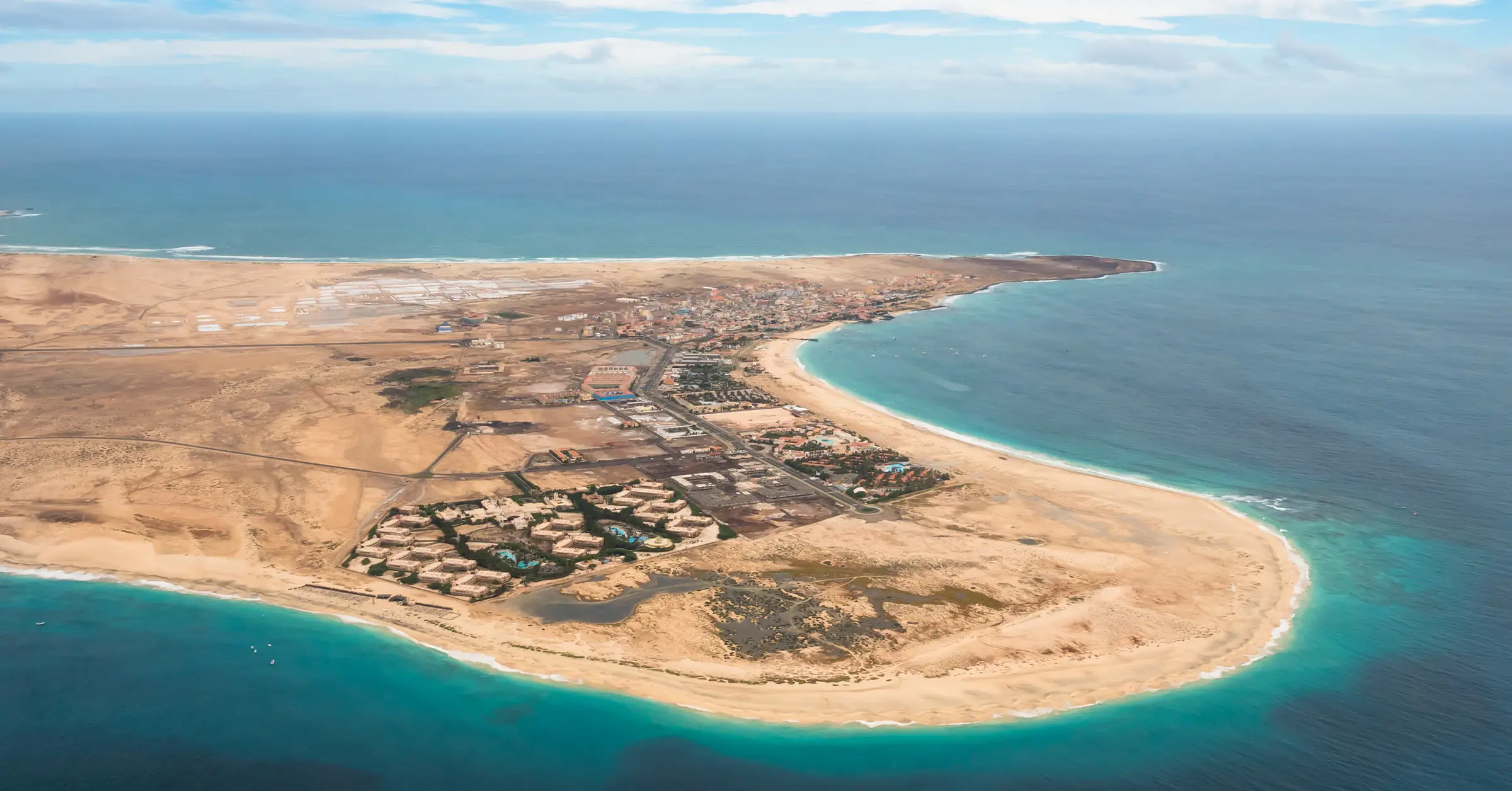
The Cape Verde weather is shaped by winds, especially on the flatter islands like Sal and Boa Vista.
• December–March:
Strong trade winds. Excellent for kitesurfing and windsurfing.
Sea can be choppier during this period.
• April–June:
Winds become milder and seas calmer — ideal for swimming, relaxing, and boat trips.
• July:
Warm, stable weather with light winds.
• August–October:
Winds are much lighter. Sea can occasionally be rougher due to regional weather systems, but water is warm.
If you enjoy water sports, February is particularly important: Sal Island hosts one of the stages of the GKA Kitesurfing World Championship thanks to its reliable wind.
Sea Temperature in Cape Verde
The ocean stays warm throughout the year:
• Winter: around 22–23°C
• Summer: around 26–27°C
You can comfortably swim, snorkel, or dive in any month.
Regional Variations Across the Islands
Cape Verde’s islands vary in elevation and geography, leading to slight differences in weather patterns:
• Sal, Boa Vista: Known for their arid landscapes, these islands experience minimal rainfall and consistent sunshine year-round. They’re especially popular for beach lovers and sun seekers.
• Santo Antão & Santiago: These mountainous islands are greener and cooler, especially in higher altitudes. Ideal for hiking and nature exploration.
• Fogo: With its active volcano, Fogo has a unique microclimate. Expect warmer temperatures at sea level and cooler conditions near the volcanic crater.
Best Time to Visit Cape Verde
• For beach holidays: Year-round
• For turtle watching: July to October
• For kitesurfing and windsurfing: November to April
• For whale watching (Boa Vista): February through April
Final Thoughts
Understanding Cape Verde’s weather makes planning a trip much easier. With warm temperatures, reliable sunshine, and inviting sea conditions throughout the year, there’s truly no “wrong” time to visit.