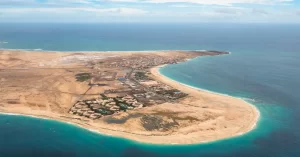

Cape Verde remains one of the world’s most critical nesting sites for loggerhead turtles. On Sal Island, Project Biodiversity leads extensive conservation efforts to protect these magnificent creatures against threats like poaching, habitat destruction, and climate change. The Cape Verde 2024 turtle nesting season, as documented in their latest report, was one of the most remarkable on record, showing both incredible progress and ongoing challenges.
For those interested in a deeper dive into the full findings, you can download the complete Project Biodiversity report here.
Record-Breaking Nesting Numbers
The 2024 season saw an impressive 36,745 nests recorded on Sal Island, the second-highest number ever recorded. This marked a 44% increase compared to 2023, indicating a strong recovery for the species in the region. An estimated 7,349 loggerhead females came ashore to nest, with the majority choosing Costa Fragata and Serra Negra as their preferred beaches.
Other significant nesting sites included:
- Monte Leão and Praia Chano, which emerged as key nesting areas for the first time.
- Algodoeiro, historically a major nesting beach, which saw lower numbers this season.
- Pedra de Lume, which recorded 663 nests despite being a smaller site.
Conservation Efforts and Key Achievements
The success of the 2024 season was largely due to the extensive conservation efforts led by Project Biodiversity.
Key achievements include:
- Patrolling and Surveillance: Over 25km of nesting beaches were monitored, with night patrols covering 77% of the critical areas.
- Drone Protection: Drones played a vital role in deterring poachers, with surveillance missions covering isolated beaches.
- Poaching Reduction: While poaching remains an issue, only two turtles were taken from patrolled beaches, highlighting the effectiveness of conservation strategies.
- Nest Relocation: 5,257 nests were relocated to safer areas, including 2,225 moved to hatcheries.
- Successful Hatchling Release: A total of 115,963 hatchlings were released, with a combined median success rate of 82.9%.
Challenges That Remain
Despite the progress made, several challenges continue to threaten the loggerhead turtle population:
- Poaching: Although significantly reduced, 110 turtles were still illegally taken in 2024, mainly from unprotected beaches.
- Light Pollution: Artificial lighting from nearby towns disorients hatchlings, with studies showing up to 50% of hatchlings moving towards city lights instead of the ocean.
- Habitat Loss: Coastal development threatens vital nesting grounds, particularly in areas like Costa Fragata.
- Dog Predation: Stray dogs continue to attack both nests and nesting turtles, making this an urgent issue to address.
Community Involvement and Sustainable Tourism
Project Biodiversity’s conservation efforts were supported by local communities, volunteers, and businesses that are committed to sustainable tourism. Education initiatives included school visits, youth engagement programs, and training sessions for tour guides to ensure responsible turtle-watching practices.
The Role of No Limits Adventure
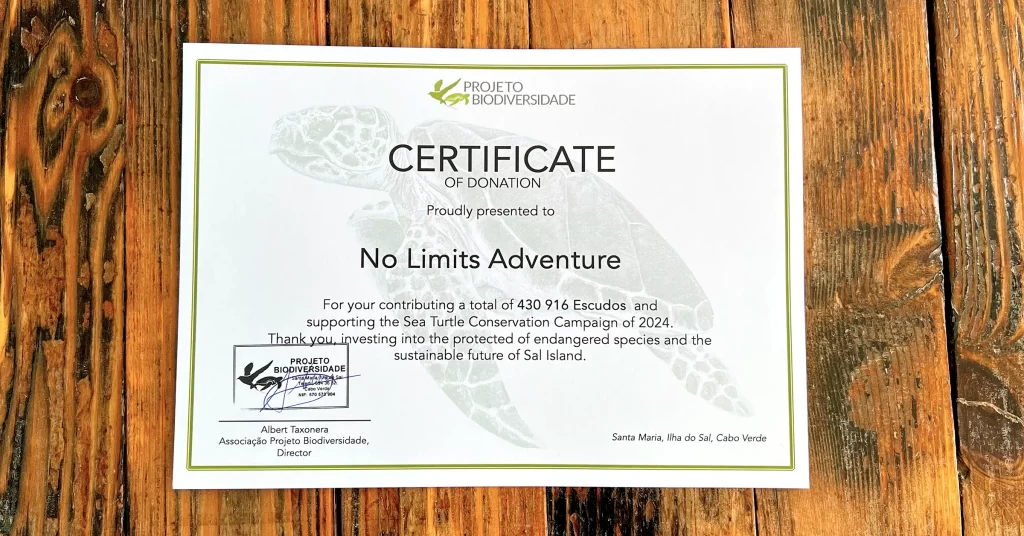
While the primary conservation efforts are led by Project Biodiversity, No Limits Adventure proudly contributes by promoting eco-friendly turtle-watching excursions. In 2024, we donated 430.916 CVE (€3.908) to support Project Biodiversity’s turtle conservation initiatives. Additionally, we offer our guests the opportunity to support these efforts through symbolic adoptions of baby turtles. In 2024, this initiative raised a total of 88.265 CVE (€802), with 100% of the donations going directly to Project Biodiversity.
We work closely with Project Biodiversity by actively raising awareness and providing in-depth training for our guides to ensure that all turtle-watching excursions are conducted responsibly and sustainably. By choosing a responsible tour operator, visitors contribute to conservation efforts while witnessing one of nature’s most extraordinary spectacles.
How You Can Help Protect Cape Verde’s Turtles
- Participate in responsible Turtle-Watching Tours with trained guides.
- Support Project Biodiversity through donations or symbolic turtle adoptions.
- Follow beach conservation guidelines, such as avoiding artificial lights and not disturbing nesting sites.
- Spread awareness about the importance of protecting sea turtles.
Conclusion
The 2024 nesting season was a testament to the effectiveness of conservation efforts in Cape Verde. While challenges remain, the continued dedication of Project Biodiversity, local communities, and responsible tourism operators like No Limits Adventure ensures that loggerhead turtles have a fighting chance for survival. If you’re visiting Cape Verde, consider joining a turtle-watching excursion to experience this incredible natural wonder while supporting its protection.